
Dentistry Jasper

Bivona Family Dental

Dentistry Jasper
Dental Implants in Jasper, AL

Address
1208 Highway 78 East
Place
Jasper, AL   35501 
Landline
(205) 387-8888
E-Mail
bivonafamilydental@gmail.com
Twitter
@BivonaDental
Facebook
756160591079520
Video
www.youtube.com
Video
www.youtube.com
Video
www.youtube.com
Video
www.youtube.com
Video
www.youtube.com
Video
www.youtube.com
Video
www.youtube.com
Video
www.youtube.com
Video
www.youtube.com
Video
www.youtube.com
Video
www.youtube.com
Video
www.youtube.com
Video
www.youtube.com
Video
www.youtube.com
Video
www.youtube.com
Video
www.youtube.com
Video
www.youtube.com
Video
www.youtube.com
Video
www.youtube.com
Video
www.youtube.com
Video
www.youtube.com
Video
www.youtube.com
Video
www.youtube.com
Video
www.youtube.com
Video
www.youtube.com
Video
www.youtube.com
Video
www.youtube.com
Video
www.youtube.com
Video
www.youtube.com
Video
www.youtube.com
Video
www.youtube.com
Video
www.youtube.com
Video
www.youtube.com
Video
www.youtube.com
Video
www.youtube.com
Video
www.youtube.com
Video
www.youtube.com
Video
www.youtube.com
Video
www.youtube.com
Video
www.youtube.com
Video
www.youtube.com
Video
www.youtube.com
Video
www.youtube.com
Video
www.youtube.com
Video
www.youtube.com
Video
www.youtube.com
Video
www.youtube.com
Video
www.youtube.com
Video
www.youtube.com
Video
www.youtube.com
Video
www.youtube.com
Video
www.youtube.com
Video
www.youtube.com
Video
www.youtube.com
Video
www.youtube.com
Video
www.youtube.com
Video
www.youtube.com
Video
www.youtube.com
Video
www.youtube.com
Video
www.youtube.com
Website
bivonafamilydental.com
Reservations
bivonafamilydental.com
Menu
bivonafamilydental.com

Description

At Bivona Family Dental, we are dedicated to providing exceptional care with a focus on experience, innovation, and patient-centered service. Our highly skilled team specializes in general, cosmetic, and implant dentistry in Jasper and Greater Birmingham, Alabama. We offer comprehensive treatments, including dental and mini dental implants, dentures, implant-supported dentures, same-day crowns, bridges, veneers, bonding, root canal therapy, periodontal treatment, restorative and sedation dentistry, tooth extractions, L-PRF therapy, and emergency care. With a commitment to advanced techniques and ongoing education, we ensure every patient receives high-quality, personalized treatment in a comfortable and welcoming environment.

Reviews

This listing was not reviewed yet:

Opening hours

Payment Options

American Express , Visa , Cash , Discover , Financing , MasterCard

Products And Services

  • Dental Implants

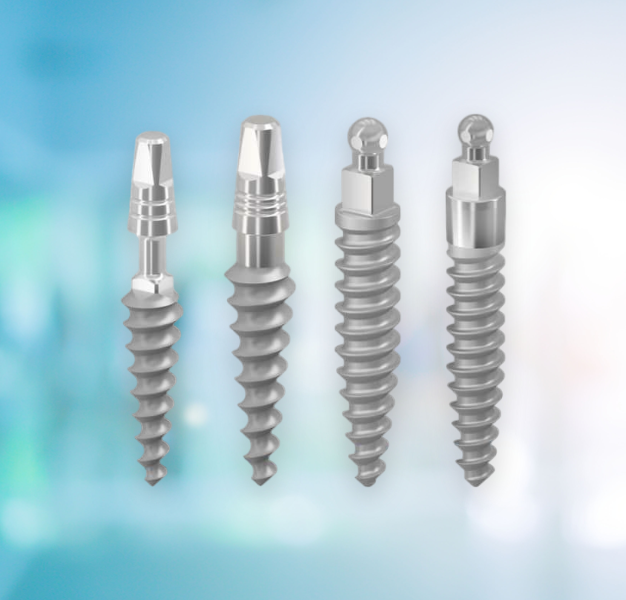
    Dental implants are titanium screws that we place directly into your jawbone. Once they fuse with the bone, a process known as osseointegration, they provide a strong base for replacement teeth like crowns, implant-supported bridges, and implant dentures. They can replace anything from a single tooth to all your teeth and help secure loose or floating dentures. A traditional dental implant consists of two parts—the titanium screw and the abutment, which connects to the restoration. The screw averages 5 mm in diameter, which is about as wide as a pencil’s eraser. For individuals with insufficient bone quality or quantity, the size of a conventional implant can be a treatment barrier. In these cases, we provide an equally reliable alternative. Mini dental implants are a more recent innovation in the implant world, perfect for patients with smaller or less dense jawbones. They’re less than 3 mm wide and have a less invasive placement process, but both types of implants serve the same purposes. At your free implant consultation, we can discuss which type of implant is best for you. Benefits of Dental Implants Why choose dental implants over conventional tooth replacement solutions like traditional bridges or dentures? Implants provide several advantages related to overall oral health and quality of life. Better stability and comfort: Dental implants offer superior stability than other treatment options. Think of it this way. If you wanted a driveway basketball hoop, you could secure the pole deep in the ground with cement or use a portable hoop with a weighted base. Which seems more steady? The post placed into the ground is much more stable in the long term. The same stability goes for dental implants, whether they’re used to support a crown, bridge, or denture. Thanks to their unmatched stability, they effectively prevent dentures from moving in your mouth, eliminating soreness and irritation. Improved functionality: Removable full and partial dentures don’t have the same biting and chewing ability as your original teeth because they rest on your gums or simply clasp onto the remaining for support. By anchoring the prosthetic with implants in the jaw, you restore much more of your natural chewing power. That means you can eat all your favorite foods again. Enhanced aesthetic appeal: Traditional dentures have a bulky plastic base. While the base helps it to stay put, it doesn’t provide the natural look you may be hoping for. Because implant dentures don’t rely on false gums for support, we can reduce or eliminate this foundation, giving your new teeth a more natural appearance. Increased reliability and durability: Teeth secured with dental implants will not move, slip, or fall out. They facilitate a “set it and forget it” approach that doesn’t require daily maintenance beyond brushing and flossing. The titanium implant can last a lifetime, and if properly cared for, your new teeth should last much longer than conventional options. Stronger oral health: Implants fill the spaces your teeth once occupied. Like bridges and partial dentures, they prevent other teeth from shifting and bacteria from growing in those hard-to-reach places. However, a key distinction of dental implants is that they also replace the missing tooth roots. That means they stimulate your jawbone, preventing the bone and tissue deterioration that follows tooth loss.

    Video: Dental Implants
    Link: Dental Implants

  • Mini Dental Implants

    Dental implants are artificial tooth roots that support restorations like crowns, dentures, and bridges. A mini dental implant is a specific type of dental implant known for its unique size and design. This slim implant is less than 3 millimeters wide. That’s about the width of a toothpick. A mini implant is also one piece, with a threaded end at the bottom that we screw into your jawbone and a built-in connector on top that protrudes above your gums. This connector anchors your dental appliance to the jawbone. On the other hand, a traditional dental implant averages 5 mm in diameter and consists of multiple components. With a conventional implant, the screw and connector piece are separate. This makes a big difference in terms of the procedure steps and overall treatment timeline. Because of the large size of the screw, we must make an ample hole in the jawbone. While this ultimately creates a stable foundation, it requires 3-6 months of healing before we can attach the connector and restoration. Traditional dental implants may not be ideal for patients who cannot undergo dental surgery, those hesitant to start a lengthy treatment process, or individuals with significant dental anxiety. In these cases, mini dental implants are an excellent alternative because their design features allow us to place them in a single, minimally invasive procedure. Additionally, mini implants require less jawbone volume and density for successful placement. This means that patients previously told they were ineligible for conventional dental implants can now access high-quality tooth replacement. At Bivona Family Dentistry, a Mini Dental Implant Center of America, we offer both traditional and mini dental implants to ensure our patients can access the best tooth replacement techniques. The Procedure Explained When you choose mini dental implants, you can look forward to a quick procedure and long-lasting results. Here’s what you can expect from the process. 1. Consulting Our Experts During your free consultation, we will sit down and discuss your needs and goals to get to know each other better. Then, we will use our advanced CBCT machine to take detailed 3D images of your mouth and jaw. These images help us evaluate whether you are a good candidate for a dental implant, determine which size implant is best, and plan its placement. In creating your custom treatment plan, we will break down the overall costs, discuss insurance and financing, and review sedation options to ensure your procedure is stress-free. In some cases, we can take the scan, design your treatment plan, and place the mini implant in the same visit. 2. Preparing for Your Procedure While mini implant placement is minimally invasive, we offer oral conscious sedation and nitrous oxide (laughing gas) to help our patients feel relaxed throughout the process. If you opt for oral conscious sedation, you’ll need to arrive ahead of your appointment so the sedative can take its full effect. (You’ll also need to arrange a ride home, as unlike laughing gas, the sedative’s effects linger). Before placing your implants, we’ll make sure you are comfortable by administering a local anesthetic to the treatment area. You might feel a slight pinch, but this is typically the extent of any discomfort during the procedure. 3. Placing Your Implant(s) To place a mini implant, we make a small hole through the gums and screw the implant into the jaw. This pilot hole is about the size of an ear piercing. We’ll make sure the implant is exactly where it should be using our specialized tools. Because the hole needed is so small, very little bleeding can be expected. 4. Connecting your restoration We can attach a restoration the same day that we place your implants because mini implants have “immediate loading” potential. That means they are immediately stable when we secure them in the jaw. In some cases, we can create your custom crown right in our office using our CEREC technology. If additional healing is needed, we’ll attach a temporary restoration to protect the treatment site until you’re ready for your custom one. Accelerate Your Recovery With L-PRF At Bivona Family Dentistry, we offer cutting-edge dentistry because we truly care about creating positive dental experiences for our patients. While the recovery period for mini implants is much faster than for conventional implants, an innovative technique can accelerate healing and reduce post-procedure discomfort. L-PRF (leukocyte-platelet rich fibrin) therapy is a natural way to enhance your body’s healing process. Our in-house phlebotomists create a concentrated fibrin matrix (blood clot) by using a small sample of your blood. Applied to the implant site, the clot promotes faster tissue regeneration and reduces inflammation. This helps your body recover more quickly and comfortably after your treatment.

    Video: Mini Dental Implants

    Link: Mini Dental Implants

  • Dentures

    For many decades, traditional dentures have been the default method for replacing missing teeth with removable plastic prosthetics. Some patients find this removability convenient; for others, it’s an annoyance that creates the opportunity for damage, loss, and irritation. There are two traditional denture options, depending on how many teeth you need to replace: Full dentures: This prosthetic replaces all your teeth. Its pink plastic base rests on your gums for stability. The connection between the gums and the suction effect keeps the denture in place. Partial dentures: These devices are for patients with some remaining teeth. They attach to your natural teeth via metal or plastic clasps. The Drawbacks of Traditional Options Conventional dentures don’t fully restore the chewing power or natural look and feel of your original teeth, but their shortcomings extend further. Namely, they don’t provide the necessary support for long-term oral health because they don’t replace the missing tooth roots. When you bite and chew, your tooth’s roots place stress on the jawbone. This stress is essential for maintaining the bone’s density and strength. Without it, the bone begins to resorb or deteriorate. As a result, your jaw function diminishes, and your overall facial structure and appearance change. These changes cause a once well-fitting denture to lose its tight grip. Jawbone deterioration and loose-fitting dentures cause irritation, soreness, and inflammatory conditions like angular cheilitis (irritation at the corners of your mouth) and denture stomatitis (a fungal infection common among denture wearers). Additionally, the denture will begin to slide around inside your mouth, making eating, laughing, and speaking more challenging than they already were. If you’re not careful, your prosthetic can even fall out! These unexpected mishaps worsen over time, and denture relines or adhesives are only temporary solutions. To solve these problems for good, you need something to replace the missing tooth roots and secure the denture to your jawbone. Implant Dentures: A Modern Alternative Dentures in Jasper, AL | Bivona Family Dentistry | Denture OptionsImplant dentures consist of replacement teeth secured by dental implants. We place the implants directly into your jawbone, acting as replacement tooth roots and a sturdy anchor point for your dentures. By using smaller, less invasive mini dental implants, we can increase stability with more implants and place them in patients who’ve already experienced jawbone loss. There are many implant denture systems, but they all have sleeker dental prosthetics than traditional dentures. Their upgraded design allows for a more natural look and feel, reducing or eliminating the plastic base. Implant Denture Options Snap-in dentures: These are also called implant-retained overdentures. They live up to their name by “snapping” onto implants for stability. But, like traditional dentures, they are removable for easy cleaning and maintenance. We use at least two conventional implants or four mini implants to secure the denture. This prosthetic contains pink plastic gums to provide lip support, but the gums are significantly less bulky than traditional dentures. Semi-removable roundhouse bridge: This roundhouse bridge is secured to 6 to 10 mini implants and is only removed by your dentist for professional cleaning. We tend to place 8 mini implants to retain this type of denture, which is why we often refer to this option as “Great on Eight.” The prosthesis is made from zirconia, a ceramic material that is ten times stronger than enamel, providing impressive durability and chewing function. Non-removable roundhouse bridge: Sometimes called permanent dentures, we cement this roundhouse onto 10 to 12 mini implants, meaning you never have to remove it! This option provides the highest level of stability, comfort, and functionality. Because implant dentures are anchored to your jawbone, they fully restore the function of your natural teeth. You won’t have to worry about your dentures slipping or wobbling unexpectedly. With implant dentures, you can eat your favorite meals, speak clearly, and enjoy social situations more freely. These traditional denture alternatives are also more comfortable and don’t require constant adjustments or adhesives. This incredible dental innovation can improve your quality of life and give you peace of mind for many years to come.

    Video: Dentures

    Link: Dentures

  • Implant Dentures

    Implant dentures are a set of replacement teeth that clicks onto either conventional dental implants or mini dental implants. We place the medical-grade titanium implants in your jaw, where their body fuses with your bone during a process called osseointegration. This creates an incredibly strong anchor point to secure a set of dentures. This connection to your jawbone is the big advantage of choosing implant dentures. First, it eliminates the danger of your denture slipping or moving around in your mouth. Second, it restores your full biting and chewing power, allowing you to eat foods that traditional denture wearers often struggle with. If you’ve lost your teeth and want to bite into an apple or chew steak again, you can do so with implant dentures. Finally, the implants’ fusion to the jawbone creates a more comfortable and natural-looking solution. Because implant dentures don’t need such a large plastic base to ensure stability on your gums, they are much sleeker. Their design makes them look and feel more like natural teeth. Which type of dental implant we use makes a significant difference in the timeframe and simplicity of the process. Traditional implants are larger, multi-piece implants that require a more invasive placement and a longer healing time. While effective and reliable, their invasiveness and lengthy process may be obstacles for some patients. Mini dental implants are smaller, single-piece implants that we can place without invasive surgery in a quicker, simpler procedure. They heal quickly (even faster with L-PRF therapy), are more affordable, and are just as durable despite their smaller size. At your free consultation, we can discuss which type of dental implants are right for you. Dental Implants Improve Long-Term Bone Health We’ve already discussed some drawbacks of traditional dentures, including an unstable prosthetic, reduced chewing and biting power, and a bulky, uncomfortable design. However, an important design limitation of conventional dentures is that they don’t replace your missing tooth roots. When you lose your teeth, your tooth roots no longer stimulate the jawbone. As a result, the bone and surrounding tissue deteriorate, changing your jaw function, facial structure, and appearance over time. This bone resorption leads to functional issues, ill-fitting dentures, and a sagging facial appearance. The only way to prevent this deterioration (and its consequences) is to replace your missing tooth roots with dental implants. As prosthetic roots, implants place mechanical stress on your jaw when you bite and chew. This stress actually maintains your jaw’s strength and prevents bone loss. Therefore, when you choose implant dentures, you are investing in your long-term oral health. Types of Implant Dentures There are various types of implant dentures, allowing us to cater to different patient needs and preferences. We use at least two conventional dental implants or four mini dental implants to secure them to your jawbone, but the number needed increases as the denture options require more stability. Snap-In Dentures A snap-in denture drastically improves comfort and functionality. This prosthetic is anchored to the jaw with dental implants, “snapping” securely into place. This feature prevents the issues often associated with conventional dentures, such as slipping or discomfort, while also reducing the amount of material covering the mouth, particularly the roof of the mouth. Snap-in dentures are an excellent option for those who have had missing teeth for quite some time and have experienced significant bone loss as a result. Because they still use some pink acrylic gums, they offer lip support and structure to ensure a natural appearance. This removable denture makes it easy for patients to transition from a traditional prosthetic to a more advanced implant option. Additionally, we can sometimes convert an existing denture to snap onto implants. Despite their benefits, snap-in dentures can feel a bit bulky due to the resin material, similar to regular dentures. However, they offer significantly better stability and chewing efficiency, making them an excellent upgrade for those struggling with traditional dentures. Semi-Removable Roundhouse Bridge If you’re looking for a sleeker denture alternative, we might recommend our “Great on Eight” solution, which is a semi-removable roundhouse bridge. Like a denture, this dental prosthetic replaces all your teeth. We consider it semi-removable because you don’t detach it at home. Only your dentist will remove it at your regular checkup for a professional cleaning. For the best stability, we prefer to attach this denture alternative to about eight mini dental implants. The roundhouse bridge itself is made from zirconia, an incredibly strong ceramic material that extends the life of your prosthesis.

    Video: Implant Dentures

    Link: Implant Dentures

  • Dental Bridges

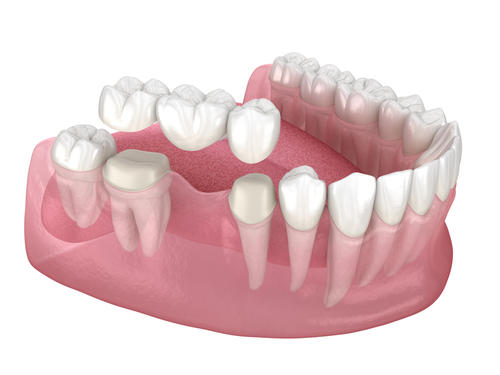
    Dental bridges are a way to replace one or more missing teeth in a row. They traditionally consist of two dental crowns that connect to the healthy teeth on either side of the gap and a replacement tooth that fills the gap, known as a pontic. Bridges are made of different materials, such as metal, porcelain, zirconia, acrylic, or even a combination of materials, such as porcelain fused to metal (PFM) bridges. With proper care and oral hygiene, bridges can last 50 years, making them a durable solution to missing teeth. Before we place a bridge, we’ll treat any existing oral health issues, such as cavities or gum disease, to ensure they don’t impact the longevity of your prosthesis. Once your bridge is in place, you can care for it just like your natural teeth. While the bridge itself won’t get infected, it’s important to keep your mouth healthy so the bridge lasts as long as possible. Types of Dental Bridges There are several varieties of dental bridges, each useful in different situations. When you visit Bivona Family Dentistry, we’ll determine which type of bridge is best for your tooth replacement plan. We may even be able to create your bridge with our in-house CEREC machine. This technology allows us to provide same-day tooth replacement solutions for eligible patients, meaning we can complete the entire process in one appointment. Traditional Bridge This tried-and-true uses adjacent teeth to support a replacement tooth. The adjacent teeth are crowned, and these crowns hold a solid crown in the middle, which sits gently on your gums. Because it uses dental crowns for support, a traditional bridge requires us to shave down those supporting teeth, reducing some of the tooth structure so the bridge’s crowns fit perfectly. Cantilever Bridge A cantilever bridge is similar to a traditional bridge but only uses one dental crown for support. Think of it like a balcony that only connects to a building on one side. Cantilever bridges are less common than traditional bridges but are useful in scenarios where two healthy teeth aren’t available. Maryland Bridge A Maryland bridge doesn’t use crowns and, therefore, doesn’t require any enamel removal. It connects to your other teeth with porcelain or metal “wings” that we cement to the back of your adjacent teeth. This option is more useful at the front of the mouth, as it is not strong enough to handle the bite forces in the back of the mouth. Implant Bridge This type of bridge also does not use dental crowns because it is supported from below by dental implants or mini dental implants. The implants are connected directly to your jawbone, giving this bridge stronger support. In many cases, we don’t need to use an implant for every missing tooth. Let’s say you’re missing four teeth: we may be able to support the bridge with just two implants. Because the implants are anchored to the jawbone, this option provides superior stability and functionality than a traditional bridge. Roundhouse Bridge Bridges typically replace 1 to 4 missing teeth, but a roundhouse dental bridge can replace all your teeth on the top or bottom arch. It’s a remarkable alternative to traditional dentures. In fact, we wish that everyone in the world who lost all their teeth could replace them with this innovative prosthesis. The horseshoe-shaped bridge is supported by 10-12 implants that provide exceptional stability and long-lasting outcomes. The system is designed to last a lifetime. To help ensure your bridge lasts as long as it should, we provide a free Waterpik to encourage proper oral hygiene. The Importance of Replacing Missing Teeth Approximately 178 million Americans—about half the country—are missing at least one tooth. Although living with a missing tooth is possible, replacing it as soon as possible has many oral health and lifestyle benefits. Increased confidence: Everyone wants a beautiful smile, and a gap in the teeth can adversely affect your appearance. The aesthetic changes brought on by missing teeth can impact your confidence and self-image, making social situations less enjoyable. By replacing your lost teeth, you won’t have to worry about hiding your smile in pictures or stifling a hearty laugh. Better chewing function: The more teeth you’re missing, the more difficult it is to eat foods like raw fruits and vegetables, steak, and sticky or crunchy desserts. Replacing your teeth will allow you to eat all your favorite meals again. Clearer speech: A gap in your teeth can lead to speech issues, making it difficult for others to understand you. A bridge can restore your ability to communicate clearly and confidently. Improved oral health: Replacing your missing teeth prevents your remaining teeth from shifting into the gap. An implant bridge has the added benefit of replacing your missing tooth roots with implants. These stimulate your jawbone, preventing the bone and tissue deterioration that comes with missing teeth.

    Video: Dental Bridges

    Link: Dental Bridges

  • Same-Day Crowns

    A dental crown is a tooth-shaped cap that we bond to a damaged tooth to restore its functionality and aesthetics while protecting it from further harm. When we use a crown, we’re essentially replacing the damaged enamel. Crowns are part of many different dental solutions. They can restore a tooth that’s broken, worn, or chipped and protect a tooth that’s just undergone a root canal. They can even serve cosmetic dentistry purposes since we can adjust their shape, size, and color. This personalization allows us to alter the appearance of your teeth to enhance your smile. We also use crowns to replace missing teeth in two different ways. First, crowns serve as support for a traditional dental bridge. Second, we can attach them to a conventional dental implant or mini dental implant. We place the implant directly into the jawbone, where it fuses with the bone to create a strong anchor for the crown. This method offers greater stability, improved functionality, and a more natural solution for replacing missing teeth compared to traditional options. Crowns can be made from different materials, including composite resin or ceramic, porcelain, or metals such as gold, nickel, and palladium. Each material has pros and cons, but we prefer ceramic crowns at Bivona Family Dentistry because of their durability, aesthetic appeal, and efficient fabrication. Our CEREC system creates affordable same-day ceramic crowns that look and function like natural teeth. Although we can craft them quickly, our crowns can last many years with proper care. The Dental Crown Process The process for placing a crown depends on whether you need to repair a damaged tooth or replace a missing one. Generally, the process is pretty simple. Treatment Planning: This initial conversation and examination helps us plan your treatment. We’ll take scans or X-rays to evaluate the tooth or plan implant placement. Additionally, our team will review your insurance coverage and help you manage treatment costs. Preparation: For a traditional crown, we’ll begin by painlessly removing some enamel to ensure a seamless and comfortable fit. We’ll then use an intraoral camera to take digital photographs of the tooth. These images allow our dedicated laboratory technician to create your custom crown with our advanced technology. Our CEREC machine will mill your crown out of a block of ceramic, which generally takes less than 20 minutes. If we’re also using a dental implant, we’ll create a small hole in your jawbone and securely place the implant into your jawbone. This process is much simpler and less invasive with mini dental implants. Placement: Once the crown is complete and the target tooth or implant is ready, we’ll carefully bond the crown to your existing tooth or load it onto the implant while you’re still numb. After it’s in place, we’ll ensure the crown fits and functions properly before polishing it. At the end of your visit, you’ll walk out the door with a fully restored tooth! After the procedure, you might feel some minor discomfort or need time to adjust, but this should pass quickly and can be managed with over-the-counter pain relief. You’ll soon notice that your new tooth functions just like your natural teeth. How We Create Same-Day Crowns Most dental practices send a mold of your teeth to an off-site dental lab, where lab technicians will create your crown over a few weeks. However, at Bivona Family Dentistry, our CEREC machine eliminates that need, making your crown right here in minutes. CEREC stands for Chariside Economical Restoration of Esthetic Ceramic. It combines 3D imaging and CAD/CAM (computer-aided design/manufacturing) technology to create custom crowns efficiently and affordably. We use an intraoral camera to generate digital images of your mouth. Our expert lab technician then manipulates the 3D model of your tooth to design your custom crown. Once the design is ready, we’ll place a ceramic block—carefully matched to your natural tooth color—into the CEREC machine. The CEREC computer uses the digital model to craft a crown that matches the rest of your teeth and fits you perfectly. Afterward, we fit, cement, and polish the crown, completing the same-day crown process.

    Video: Same-Day Crowns

    Link: Same-Day Crowns

  • Cosmetic Dentistry

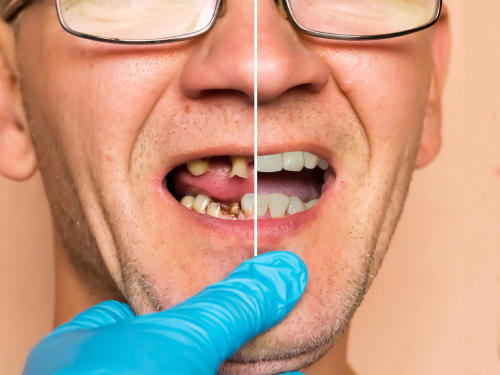
    Cosmetic dentistry is dentistry that improves the way you feel about your smile. Some of the treatments you may be familiar with are porcelain veneers, cosmetic dental bonding, and dental crowns, among others. While many people view cosmetic dentistry as an option only meant for celebrities on the red carpet, that couldn’t be further from the truth. These treatments are a safe and easy way for anyone to increase their self-confidence, feel less anxious in social situations, and finally have the smile they’ve always dreamed of. What Issues Does Cosmetic Dentistry Correct? While some people are born with perfect teeth, many others struggle to love their smiles. Fortunately, cosmetic dentistry can address many concerns, including: Dull, stained, or discolored teeth Gaps between teeth Cracked or chipped teeth Misshapen or small teeth Crowded or crooked teeth Beyond addressing these cosmetic concerns, many of today’s restorative procedures also improve the overall appearance of your smile. For instance, treatments like dental bridges and dental implants restore function while enhancing the appearance of your smile. Similarly, procedures like tooth-colored fillings and ceramic crowns not only repair cavities and structural damage but also improve the look of the affected tooth. This dual approach ensures that the restorative work improves dental health and supports a cohesive, natural-looking smile. Cosmetic Treatment Options At Bivona Family Dentistry, our cosmetic treatments help create a brighter, more uniform smile. They can range from subtle improvement to dramatic enhancement, depending on your goals and preferences. Dental Bonding Dental bonding is often used to repair tooth damage, such as cracks and chips. But did you know it can also serve a cosmetic purpose? It’s a versatile treatment that uses tooth-colored composite resin to modify damaged or blemished teeth. Cosmetic dental bonding can close gaps between teeth, treat discoloration, reshape and resize teeth, and provide relief for sensitive teeth. Bonding has some unique benefits, including the fact that it’s completely reversible should you opt for an alternative treatment like veneers in the future. It’s also very affordable, making it an option for many patients. Plus, there’s no lengthy recovery period—once the bonding material hardens, you can immediately return to your daily activities. With every procedure we perform, we intend for the results to last a lifetime. However, it’s not uncommon for us to touch up or polish a patient’s bonding over time. Dental Veneers If you want a more dramatic and permanent smile enhancement, dental veneers are a great option. This cosmetic treatment is perfect for patients with healthy teeth who are looking for ways to love their smiles again. Porcelain or ceramic veneers can camouflage just about any cosmetic blemish, and we can customize them to blend in seamlessly with your smile. When we place veneers, we shave down a little bit of the enamel. This process is painless yet permanent since enamel doesn’t grow back. Once we have prepared your teeth, we adhere a small sliver of ceramic to the front surface of your teeth. The result is a gorgeous new smile that truly has the capacity to change your life! Ceramic Dental Crowns A ceramic dental crown is unique among cosmetic treatments because it’s both a cosmetic and a restorative dental treatment. A crown is a cap that completely surrounds a damaged tooth, restoring its look and function while protecting it from further harm. A crown is an excellent option if you need to fix a tooth with a crack or large cavity and want to maintain the aesthetics of your smile. To place the crown, we’ll need to shave off some enamel so it sits flush on the affected tooth. Using our in-office CEREC machine, we can create your custom ceramic crown in about an hour, so you won’t have to wait to repair your tooth. Tooth-Colored Dental Fillings Tooth-colored dental fillings are appropriate for small to moderate cavities. To repair the tooth, we fill the hole with a white composite resin. It’s a simple, non-invasive way to improve your oral health without drawing attention to your dental work. Dental Implants Tooth loss creates a gap in your smile that can be a source of embarrassment. We want all our patients to love their smiles. With dental implants, we can permanently replace your missing tooth or teeth with a natural-looking restoration tailored to your smile. During the procedure, we place a titanium screw in your jaw and top it with a crown, bridge, or denture to create a uniform smile.

    Video: Cosmetic Dentistry

    Link: Cosmetic Dentistry

  • Dental Veneers

    Dental veneers are a versatile cosmetic treatment that can completely overhaul your smile. We bond these ceramic slivers to the front side of your teeth to cover all types of blemishes. These include stains and discolorations, gaps in your smile, and misshapen, chipped, or small teeth. You’ll work with our dental team to achieve your desired look. We’ll determine the number and shade of veneers to meet your smile goals and expectations. This collaboration and patient-focused care ensure you walk away with a beautiful smile that is uniquely yours. Who Is a Good Candidate? Veneers are an excellent option for individuals with healthy teeth who want to improve their smiles. Before we place them, your teeth must be free of cavities and gum disease. We’ll then remove a small amount of enamel to ensure the veneers fit seamlessly with your natural teeth. Since enamel doesn’t grow back, this step makes the procedure irreversible. However, with proper care and good oral hygiene, veneers can last a lifetime, offering a long-lasting solution for improving your smile. Many people think veneers are just a luxury for Hollywood celebrities, but that couldn’t be further from the truth. A brilliant smile isn’t just for the red carpet—it’s for anyone who wants to feel better about themselves. Choosing veneers is like getting a great haircut or wearing your favorite outfit—it boosts your confidence and makes you feel more comfortable in your own skin. With veneers, you’ll never have to hide your smile in photos or cover your mouth out of embarrassment. Social situations become more enjoyable, and a great smile makes you appear more friendly, happy, and self-assured. Veneers aren’t just a cosmetic enhancement; they’re a lasting upgrade that can significantly improve your quality of life. The Dental Veneers Process The dental veneer process is fairly simple. You’ll work with our team throughout the process to ensure the final result matches your expectations. Treatment planning: At your initial records appointment, we’ll discuss your goals, expectations, and preferences to understand what you’re looking for. We’ll then take an impression or scan so that we can plan your case. The impressions allow us to design veneers with your goals in mind. We also use the design to fabricate your temporary veneers. Tooth preparation: To start the procedure, we’ll gently remove a small amount of enamel from your teeth. After making these adjustments, we’ll take impressions and place your temporary veneers. You’ll wear these for a few weeks, giving you a preview of your final smile. During this time, we’ll ask for your feedback to ensure you’re happy with the results. Final veneer fabrication: When you’ve approved the temporaries, we’ll scan them to make a model. The dental lab technicians use this model to create your final veneers. Veneer placement: The last step is securing your custom veneers. After we remove the temporary ones, we’ll bond the final veneers to your teeth and make any necessary adjustments to ensure your smile looks, feels, and functions perfectly. At the end of the veneers process, you’ll enjoy a stunning smile that you helped design, reflecting your personal style and preferences. Veneers vs. Crowns When it comes to enhancing your smile, veneers aren’t the only option—dental crowns can also improve the appearance of your teeth while providing protection. A dental crown is like a protective cap that covers the entire tooth, restoring its function and aesthetics. Similar to veneers, crowns are custom-designed to match the shape and shade of your natural teeth, and we’ll need to remove some enamel to ensure a perfect fit. However, there are important differences between veneers and crowns. Veneers are primarily a cosmetic solution, best suited for healthy teeth that need an aesthetic boost. They only cover the front surface of the tooth. In contrast, crowns are primarily a restorative treatment. They encase the entire tooth, making them a better choice for repairing or protecting a damaged tooth. While crowns also enhance the appearance of your smile, their main purpose is to restore the tooth’s structure and strength. If your tooth is damaged or weakened, a crown would be the more appropriate option. At your visit, we’ll determine which option best suits your needs.

    Video: Dental Veneers

    Link: Dental Veneers

  • Dental Bonding

    Dental bonding is a cosmetic dental procedure that uses composite resin to correct imperfections in your teeth. The resin is the same material we use in various restorative procedures like dental fillings, and it can reduce tooth sensitivity and block bacteria from taking hold in broken teeth. At Bivona Family Dentistry, we can use dental bonding to correct the following concerns: Cracked or chipped teeth Minor tooth decay Gaps between teeth Tooth discoloration Tooth sensitivity Misshapen or small teeth Dental bonding is best used for minor tooth problems, not as a full-mouth smile makeover. Teeth that have suffered severe decay may need a different approach, like extraction or a root canal. Benefits of Dental Bonding Several cosmetic treatments can enhance your smile, so why choose dental bonding? One of its biggest advantages over other procedures is its efficiency and simple procedure. Improving your smile with dental veneers can take multiple visits, but we can complete the bonding procedure in one sitting. Afterward, you can return to work, school, or your normal activities. There’s no lengthy recovery or adjustment period with bonding, which means more time to enjoy your new smile. Another benefit of bonding is that it’s a non-invasive treatment and doesn’t affect your healthy teeth. Both veneers and dental crowns require us to shave enamel off of healthy teeth, which is an irreversible process. With dental bonding, your enamel stays intact—many patients don’t even require anesthesia, making this a great procedure for those with dental anxiety. If you’re unhappy with the final result or if something needs to be changed, we can remove dental bonding or make any necessary adjustments quickly and painlessly. With veneers or crowns, you’re stuck trying that same process again, hoping for a better result. Finally, dental bonding is one of the least expensive cosmetic procedures available. It’s a low-risk, high-reward option for enhancing your smile. The Bonding Process The dental bonding process is straightforward, taking approximately 30 to 60 minutes per tooth to complete. Free consultation: At your initial consultation, a member of our dental team will perform a thorough examination, review your medical history, and discuss your needs and preferences. You’ll work together to pick a shade of composite resin that matches your natural teeth. Application: Before we put on the resin, we need to roughen the surface of your teeth and administer a conditioning liquid. This will help the bonding material adhere to your teeth more quickly and effectively. Next, we apply the putty-like bonding material to your teeth and mold it to the desired shape. Completion: Once we mold the resin correctly, we hit it with a special curing light, which bonds the resin to the surface of your teeth. Finally, we’ll make any final adjustments to ensure your teeth look cohesive and polish them to a brilliant shine. Caring for Your New Smile You can care for your bonded teeth like your natural teeth, for the most part. Brush twice, floss daily, rinse with antibacterial mouthwash, and attend your regularly scheduled dental checkups. With proper oral hygiene, your dental bonding can last up to ten years or more. However, there are some differences between the bonding material and your natural teeth. The first is that resin doesn’t resist stains as well as your original teeth, so it’s important to monitor your intake of staining food and drinks like berries, coffee, tea, soda, and red wine. This is especially true in the first few days after the procedure. Resin also isn’t affected by whitening products, so if it ultimately does discolor, your best option may be to get it replaced. Bonding material can also chip, so try to limit chewing on ice, eating hard candies, and tearing open envelopes and packaging with your teeth. Enhance Your Smile With Dental Bonding Dental bonding is an excellent choice for minor cosmetic corrections. Our simple yet effective bonding solution can revitalize your smile quickly and affordably. If you have a broken tooth or want to make some minor cosmetic alterations, contact Bivona Family Dentistry to schedule your free consultation.

    Video: Dental Bonding

    Link: Dental Bonding

  • Root Canals

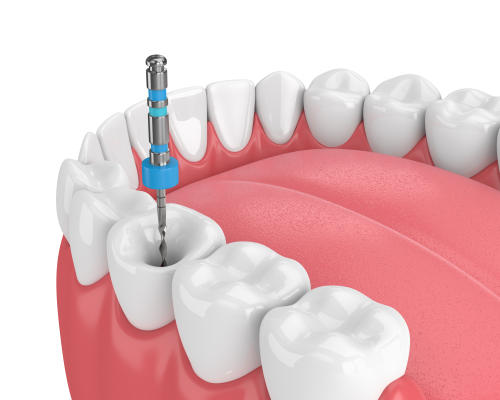
    It’s interesting that many people think of root canals as painful, as they’re actually designed to immediately relieve pain. A root canal is performed when the innermost layer of the tooth—the pulp—becomes infected. This infection can come from an untreated cavity, tooth decay, or a damaged tooth, basically anything that creates an opening in the enamel and allows bacteria inside. This pulp resides in the tooth’s inner chamber and the canals that extend into the roots of the tooth, hence the name root canals. The pulp contains tissues, nerves, and blood vessels, which are important to the tooth as it grows. However, a fully grown, healthy tooth doesn’t need the pulp anymore to survive, which is why we can safely remove it during treatment. Some signs you may need a root canal include: Intense, persistent tooth pain Discomfort when eating or touching the tooth Sudden tooth discoloration Loose tooth Swollen gums or jaw Pimple on the gums Ignoring these symptoms can allow the infection to spread to other teeth or even your jawbone. Ultimately, if not treated, you will lose the infected tooth. Procedure for Root Canals A root canal is a straightforward procedure that can usually be done in one visit. Examination and X-rays: Our experienced dental staff will begin by thoroughly examining your mouth and taking X-rays. These will help determine if your tooth pulp is infected, inflamed, or dead and whether you’re a good candidate for a root canal. Preparation: We’ll apply local anesthesia to ensure your comfort throughout the procedure. We also place a thin rubber sheet over the infected tooth to keep it dry. Cleaning: Once the preparations are complete, we will carefully drill a tiny hole in the top of your tooth to access the pulp. Then, using tiny dental instruments, we’ll remove your tooth’s infected pulp. After the chamber is empty, we’ll disinfect the area and fill it with a thermoplastic dental material Filling and protection: To complete the process, we’ll seal your tooth with a dental filling to keep bacteria out, then place a dental crown over it to restore its aesthetics and functionality. Recovery usually takes less than a week, but for a few days, you should stick to softer foods like yogurt and pasta while the affected area heals. You can care for this now-healthy tooth just like all the others. A solid dental hygiene routine of brushing and flossing, as well as six-month dental checkups, will keep your restored tooth healthy for many years to come. Replacing Lost Teeth If you don’t seek treatment quickly enough, the infection in your tooth will eventually cause it to loosen and fall out. Think of your tooth like a standing mailbox in your front yard. The infection will remove the dirt around the mailbox’s post one shovelful at a time until there’s nothing left to support it and the mailbox tumbles over. Once you lose your tooth, it’s important to consider replacing it because a missing tooth affects your oral health. It allows your remaining teeth to shift and move, and the empty tooth socket can be a breeding ground for bacteria. But most importantly, losing a tooth means losing stimulation to the jawbone in that area, which will cause the jawbone to shrink and deteriorate. Over time, this will change the appearance and structure of your face. At Bivona Family Dentistry, we specialize in tooth replacement using mini dental implants. These slim titanium posts act as artificial tooth roots and support dental restorations like crowns, bridges, and dentures. We prefer them to the larger traditional dental implants because they’re just as strong and durable but have a less invasive placement procedure, a much faster healing timeline, and a lower price tag. If you do end up needing to replace a missing tooth we can provide more information at your free consultation. Schedule Your Free Consultation Today If you have a cavity that’s been causing more pain than usual, a severely swollen face, or overly sensitive teeth, you may need a root canal. Even if you’re not sure whether you need one, it’s important to schedule a consultation so the professionals at Bivona Family Dentistry can check you out. We’re here to relieve your pain, stop the spread of infection, and save your natural tooth.

    Video: Root Canals

    Link: Root Canals

  • Periodontal Treatment

    Gum disease is a bacterial infection of the bone and tissue that support your teeth. It’s usually caused by poor oral hygiene and is the leading cause of tooth loss. It begins as a mild inflammation known as gingivitis, and if not treated, it will progress to more advanced forms of periodontitis that can permanently affect oral health. When bacteria are allowed to remain on the teeth, they feed on leftover sugar and carbohydrates and create plaque, a colorless, film-like substance. If you run your tongue over your teeth and they feel “fuzzy,” that’s dental plaque. If you don’t remove plaque regularly, it will harden into tartar, which you can’t brush or floss away. Only professional dental treatment can remove tartar, which can cause cavities, bad breath, and the first stage of gum disease, gingivitis. The best way to treat periodontal disease is to prevent it from taking hold in the first place! Daily brushing, flossing, and rinsing with an antibacterial mouthwash will remove the bacteria that causes gingivitis. Eating a balanced diet and avoiding tobacco products will also help reduce the risk of infection. What Are the Symptoms of Gum Disease? It’s critical to treat gum disease early before it progresses to more advanced stages. If you’re experiencing any of these symptoms, contact Bivona Family Dentistry to schedule an appointment right away. Bleeding gums (especially after brushing or flossing) Overly reddish or purplish gums Lingering bad breath or an unpleasant taste in your mouth Tooth soreness or pain while chewing Gum recession Loose teeth Stages of Periodontal Disease Periodontal disease has several stages it will progress through, each requiring a more comprehensive treatment than the last. Gingivitis: This is the earliest stage of gum disease, usually characterized by reddish, bleeding gums. If you consistently see blood in the sink after you finish brushing, seek treatment quickly. This stage is entirely reversible with the right treatment, usually simply a dental cleaning and proper oral hygiene. Mild periodontitis: At this point, the bacteria has gotten underneath your gums and will begin to affect the surrounding bone. The gums may start to pull away from the teeth, creating periodontal pockets that can hide infection and are difficult to clean. Moderate periodontitis: The bacteria will begin to eat away at the ligaments and soft tissue that hold your teeth in place. You’ll likely notice bad breath and pus forming around your gum line. Your teeth will become more sensitive, and treatment must be sought to avoid permanent damage. Advanced periodontitis: At this stage, the disease has progressed enough that it can no longer be reversed, but it can be managed. Bone and tissue loss will continue, causing your teeth to loosen and eventually fall out. Periodontal Treatment Options After considering the progression of your gum disease, our dental team at Bivona Family Dentistry may recommend one of several different periodontal treatment options. Regular dental cleaning: A normal dental cleaning can often reverse the symptoms of gum disease in its earliest stages. It’s important to follow up your cleaning with a proper oral hygiene routine at home to ensure the continued health of your teeth. Deep cleaning: Also known as scaling and root planing, this procedure targets bacteria below your gum line that brushing and flossing can’t reach. It’s a slightly more invasive procedure, so we’ll begin by applying a local anesthetic to ensure your comfort. The scaling process involves scraping off all the plaque and bacteria both above and below your gums. Root planing involves cleaning and smoothing the surfaces of your tooth roots to remove bacteria and help them reattach to the gums. Leukocyte-platelet rich fibrin therapy: Also known as L-PRF therapy, this treatment method uses elements from your own blood to encourage bone and tissue regeneration. We take a small blood sample, spin it in a centrifuge, and extract specific components that promote healing to apply to the affected area. Oral surgery: If you’ve lost bone density due to gum disease, a bone grafting procedure can replace some of that erosion. If plaque and tartar are so deep underneath your gums that we can’t reach them with other methods, you may need pocket reduction or flap surgery. If these treatments are necessary, we will refer you to an oral surgeon.

    Video: Periodontal Treatment

    Link: Periodontal Treatment

  • Restorative Dentistry

    Restorative dentistry involves repairing or replacing teeth damaged by decay, injury, or loss. Unlike preventive dentistry, which focuses on stopping problems before they start, or cosmetic dentistry, which enhances the appearance of your teeth, restorative dentistry addresses the underlying oral health issues. At Bivona Family Dentistry, we use restorative dental treatments to address various problems, such as: Broken or worn-down teeth: Like other parts of your body, teeth can break or wear down over time. Tooth decay and cavities: Poor oral hygiene can lead to tooth decay, where bacteria produce acids that attack your tooth’s enamel, eventually causing cavities. If not treated promptly, cavities can worsen into infections and may even result in tooth loss. Severe tooth or gum infection: Untreated infections in the teeth or gums can become serious. A severely infected tooth might require a root canal or, in some cases, extraction. Periodontal disease (an infection of the gums) is easy to treat if caught early, but surgical intervention may be necessary if it progresses. Tooth loss: Losing a tooth can impact your ability to eat, speak, and smile comfortably. It also leads to jawbone deterioration, which worsens over time. To address this, we can use dental implants—prosthetic tooth roots—to replace missing teeth and provide a stable, long-lasting solution to tooth loss. Restorative Dentistry Procedures Dental Fillings Did you know that one in four adults aged 20 to 64 has an untreated cavity? If you have a small to medium-sized cavity, the solution is simple: we fill it! Our dentists use tooth-colored composite material to fill in cavities, restoring your tooth’s strength and preventing further damage. This material blends seamlessly with the remaining tooth structure to discreetly yet effectively treat decay. Root Canal Therapy If a cavity is left untreated or you crack a tooth, infection can spread deep into the tooth’s pulp, causing significant pain. At this point, we may perform root canal treatment to save the tooth from extraction. One of our skilled dentists will painlessly remove the infected pulp to prevent further damage. After cleaning the inside of your tooth, they will seal it with a filling and place a protective crown. Despite what you may have heard, modern root canal treatments are designed to be comfortable and effective. We’re here to relieve your pain, not cause it—our goal is to save your tooth and ensure you leave our office feeling much better than when you arrived! Dental Crowns and Bridges A dental crown is one of the most versatile and common restorative procedures we offer today. A crown acts as a protective cap over a damaged tooth, restoring its function and appearance while preventing further harm. Crowns are key for protecting weak teeth, restoring severely worn or broken teeth, and supporting teeth with large fillings when there’s little natural structure left. We are proud to offer same-day dental crowns right here in our office. Thanks to our in-house CEREC machine, we can design, create, and place your custom crown in a single appointment. Additionally, if you’re missing one or more consecutive teeth, we can use a dental bridge to fill the gap in your smile. We offer different types of bridges to suit your needs. A traditional dental bridge consists of one or more artificial teeth anchored by crowns on the neighboring teeth. We also offer implant-supported bridges, which boast many oral health benefits and provide long-lasting results. These bridges are anchored by dental implants instead of your natural teeth, providing a more stable and reliable solution. Dental Implants and Mini Dental Implants If you’re struggling with tooth loss and need to restore your oral function and enhance your smile, we may recommend dental implants. These tooth replacement devices are a reliable and lasting solution, drastically improving the functionality and appearance of your teeth. At Bivona Family Dentistry, we offer two types of implants: conventional dental implants and mini dental implants. These titanium posts integrate with your jawbone to support a crown, bridge, or denture.

    Video: Restorative Dentistry

    Link: Restorative Dentistry

  • General Dentistry

    General dentistry encompasses a broad spectrum of dental services focused on preventive care, diagnosis, and treatment of various oral health issues. The goal is to prevent dental problems from developing or worsening and, when issues do arise, to address them promptly with the appropriate treatment. Services under general dentistry include routine cleanings, digital X-rays, fillings, crowns, bridges, tooth extractions, gum disease treatment, and root canals. The Importance of Regular Dental Check-Ups Routine dental check-ups are vital for maintaining your oral health. During these visits, we’ll perform thorough examinations to detect signs of cavities, gum disease, or other potential issues. Regular cleanings help remove plaque and tartar buildup that can lead to tooth decay and gum problems. By catching these issues early, you can avoid more complex and costly treatments in the future. However, a secondary benefit of regular dental cleaning is that it allows us to build relationships with our patients as we continue to treat them over the years. That understanding gives us a better idea of how to handle different scenarios as they pop up, from offering sedation dentistry to nervous patients to explaining how a certain denture style will impact your everyday life. We want to be your lifelong dental practice, and our staff will do everything we can to make you feel welcome and comfortable from your very first visit. Common General Dentistry Procedures Dental cleanings and exams: Regular cleanings and exams help prevent cavities, gum disease, and other issues by keeping your teeth clean and catching problems early. Approximately 25% of adults have untreated dental caries, so regular cleanings are important. Fillings: When cavities do occur, we use fillings to restore the affected tooth. Our practice offers tooth-colored composite fillings that blend seamlessly with your natural teeth. Crowns and bridges: We use these restorations to repair and replace damaged or missing teeth. Crowns cover and protect a damaged tooth, while bridges fill the gap left by missing teeth. Both restorations restore your smile and maintain proper tooth alignment. Extractions: When a tooth is severely damaged or infected, extraction may be necessary to preserve oral health. Our experienced dental team will ensure this procedure is as comfortable and stress-free as possible with a combination of local anesthetic and, if necessary, sedation dentistry. Root canals: If a tooth is infected or damaged internally, a root canal can save it from extraction. This procedure involves removing the infected tissue and sealing the tooth to prevent further damage. Gum disease treatment: Gum disease is a common issue that can lead to serious dental problems if left untreated. At Bivona Family Dentistry, we can treat the early stages of gum disease, but more advanced stages may require us to refer you to an outside specialist. Oral cancer screening: During an oral cancer screening, our dentists will carefully examine your mouth, including your gums, tongue, lips, and throat, for any unusual sores, lumps, or discolorations that could indicate early signs of cancer. This screening is crucial because early detection of oral cancer significantly increases the chances of successful treatment.

    Video: General Dentistry

    Link: General Dentistry

  • Sedation Dentistry

    At Bivona Family Dentistry, we take a systematic approach to help our patients overcome dental anxiety. Our goal is to build trust through consistent, positive experiences. With each visit, as you have more comfortable and reassuring appointments, we establish a strong rapport—even a friendship—that helps ease your anxiety. It’s all about making you feel safe and comfortable in our office. Over time, as we get to know each other better, the stress of dental visits gradually fades away. Here are some of the techniques we use to build a trusting relationship with our patients: Person-centered care: We personalize our approach to each patient’s needs, ensuring that they feel valued and respected. Our patient-centric approach means that you have more control over your appointment. If you need us to stop, we’ll do so safely. Clear communication: We take the time to clarify procedures, answer questions, and discuss concerns so our patients understand their treatment options. Active listening: Our team members listen attentively to patients’ concerns, validating their feelings and adjusting our care to meet their needs. Empathy and compassion: We never shame our patients for their fears or anxieties. Instead, we provide emotional support and reassurance throughout their visit. These techniques intertwine to help build a trusting relationship that becomes stronger with each visit. Our ultimate goal is to empower you to take control of your oral health with confidence. However, some patients come to us with pressing issues, and we don’t have the time to really build that rapport the way we’d normally like to. In those cases, we provide medications to ease anxiety so patients can get the care they need. What Is Sedation Dentistry? Sedation dentistry refers to the use of medication to help patients feel relaxed and at ease during their dental appointments. For those who experience dental anxiety or phobia, these sedatives make it possible to receive essential care they might otherwise avoid. At Bivona Family Dentistry, our sedation options keep patients calm and comfortable while allowing them to remain conscious and responsive throughout the procedure. When Is Sedation Dentistry Needed? Sedation may be needed for various reasons and for different circumstances. For instance, while many people associate sedation dentistry with individuals who have a fear of the dentist or dental anxiety, we can also use sedatives for individuals with a low pain tolerance or sensitive gag reflex, children who may have trouble cooperating, patients with special needs, individuals with traumatic past experiences, and those who have difficulty getting numb from local anesthesia alone. Additionally, patients undergoing more complicated or lengthy procedures may also benefit from the comfort that sedation provides. For instance, while root canals and conventional dental implants only require local anesthesia to numb the treatment area, additional sedation can help ensure a more relaxed overall experience. Types of Sedation at Bivona Family Dentistry We work hard to make sure that fear and anxiety are not obstacles to getting the care that you need. It’s important that we are aware of your concerns so we can help you manage your anxiety and choose the right sedation method for your needs. Conscious Oral Sedation The most common sedation technique our patients use is conscious oral sedation. We’ll give you a prescription for a strong medication that you take before your appointment. Having someone you trust to drive you to and from your appointment is key when you opt for this sedation method, as the effects do linger. We also recommend having your trusted driver with you when you take the pill in case you become drowsy. When you arrive for your procedure, the sedative will have taken effect, and you’ll be on cloud nine. You can expect your anxiety to be gone and to feel an overall sense of calm. The oral sedative allows you to relax throughout your visit but still be awake and alert. If we ask you to stick out your tongue or bite a certain way, you’ll be fully able to respond to us. We ensure your safety throughout your visit by measuring your oxygen content, blood pressure, and heart rate. It’s a very safe way to manage your anxiety and get the care you need. Plus, after two or three appointments, patients find that they don’t need the oral sedation anymore since there have been enough anxiety-free appointments to build that trust and positive relationship. Nitrous Oxide Sedation Dentistry in Jasper, AL | Bivona Family DentistryAt Bivona Family Dentistry, we also offer minimal sedation with nitrous oxide, also known as laughing gas. You inhale the gas through a nosepiece and feel a sense of euphoria that eclipses your anxiety. The beauty of nitrous oxide is in its temporary effect. When your procedure is complete, we run oxygen through the mask to reverse the effects of the sedative.

    Video: Sedation Dentistry

    Link: Sedation Dentistry

  • Tooth Extraction

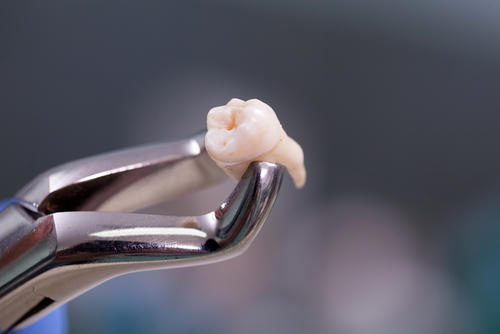
    If we can’t save your tooth, we may remove it before it can cause damage or spread infection to other areas of your mouth. A tooth extraction may be necessary for several reasons: Dental trauma or injury: We can often fix minor tooth damage, such as a small chip, with a dental crown or bonding procedure. But when damaged teeth have extensive fractures, cracks, or root damage, they may need to be removed. Severe decay: If the inner pulp of your tooth becomes infected due to a crack in your tooth or untreated cavity, and a root canal can’t save the tooth, we will need to extract it to stop the spread of infection. Overcrowding: Teeth that don’t have enough room to grow properly, or patients with hyperdontia (extra teeth) may need a tooth extraction to allow teeth to develop without discomfort or misalignment. Advanced periodontal disease: If gum disease progresses into the more advanced stages, it can significantly deteriorate the bone and tissue that holds your teeth in place. When gum disease treatment isn’t enough, removal may be necessary to prevent the disease from causing further damage. Impaction: An impacted tooth is one that fails to erupt from the gums. This can often cause consistent pain or damage to neighboring teeth. Wisdom teeth problems: Wisdom teeth can often—but not always—have issues with overcrowding or impaction. In many cases, we can anticipate these problems before they become urgent. Over 10 million wisdom teeth are removed in the U.S. annually, making this a common rite of passage among many teens and young adults. Tooth Extraction Procedures There are two types of tooth extraction: simple and surgical. The procedure we use will depend on the accessibility of the targeted tooth. Simple Extraction We can perform a simple extraction when your tooth is easily visible and accessible. This procedure is most associated with the phrase “pulling a tooth” because that’s essentially what happens. We’ll start by numbing the area with a local anesthetic, and then one of our dentists will carefully loosen and lift the tooth from its socket using specialized dental tools. We’ll clean and disinfect the area and apply either a gauze pad to help form a blood clot or stitches to assist with healing. Most patients can return to their normal activities within a day or two, but complete jawbone healing will take a few weeks. Surgical Extraction When a tooth is not easily visible or accessible, we must perform a surgical extraction. This is often the case with impacted teeth, especially wisdom teeth. While this is a more complicated procedure, surgical tooth extractions are the most common surgery in the U.S., and our staff will prioritize your comfort every step of the way. For this procedure, we usually include some form of sedation in addition to a local anesthetic. We offer nitrous oxide (laughing gas) and oral conscious sedation to help you relax during the procedure. Once you’re comfortable, we’ll make a small incision in your gums to access the tooth. If we can’t easily extract it, we may have to break it into smaller pieces. Once the tooth is out, we’ll clean the area and stitch the gum closed. The recovery time for a surgical extraction will be slightly longer, and you may feel more soreness afterward. We’ll provide detailed instructions on how to best help the wound heal and may prescribe medication to help with pain and swelling. Tooth Replacement After we extract your tooth, there are a few reasons why you may want to consider replacing it. The obvious reason, especially for front teeth, is to restore the aesthetics of your smile. However, replacing your teeth also has several oral health and lifestyle benefits. Filling the gap in your smile prevents other teeth from shifting and makes it easier to keep your mouth clean. It also restores your chewing power and lets you speak clearly without unwanted lisps. However, there are a few other benefits to replacing a missing tooth that only comes by using a dental implant or mini dental implant. The implant replaces your missing tooth root, stimulating the jawbone and preventing the bone deterioration that comes with tooth loss. Finally, the strong connection the implants provide gives your new teeth much greater stability, functionality, and durability than older traditional tooth replacements.

    Video: Tooth Extraction

    Link: Tooth Extraction

  • L-PRF

    L-PRF therapy is a tissue engineering approach that uses components from your blood to enhance your body’s natural bone and tissue regeneration. It’s a valuable tool for oral surgical procedures that typically have longer recovery periods. For example, extractions and conventional dental implants involve significant manipulation of the bone and soft tissues. As a result, the body needs time to repair and rebuild the tissue. L-PRF promotes the formation of new blood vessels, which is crucial for bone and gum tissue regeneration. The blood vessels deliver nutrients and oxygen to the healing tissues. The process involves taking a patient’s blood sample and using a centrifuge to separate the blood into specific elements. We then apply some of those elements to the surgical site to enhance the body’s natural recovery ability. The specific elements of L-PRF therapy are: Leukocytes are better known by their more common name, white blood cells. When white blood cells sense infection or tissue damage, they trigger inflammation. This response increases blood flow to the affected area, bringing in more oxygen and nutrients to help with healing. Platelets are blood cells that help heal wounds and stop bleeding by promoting blood clotting. Fibrin is a protein strand that holds the platelets and white blood cells. When applied to a wound or surgical site, the fibrin matrix promotes regeneration by stopping the bleeding and providing a scaffolding for new tissue to grow. Applying leukocyte-platelet rich fibrin to a surgical site stops bleeding and protects the area—similar to a band-aid. However, L-PRF does even more than a simple band-aid. The fibrin matrix also steadily releases growth factors (GFs) that encourage bone and tissue repair, leading to a faster, smoother recovery. How Do We Use This Treatment in Dentistry? We use L-PRF therapy to encourage healing after invasive procedures. It can be used in conjunction with several treatments that require a recovery period, including: Tooth extractions Bone grafting Dental implants and mini dental implants Surgical gum treatment Implant dentures L-PRF allows us to grow bone and gum tissue, which is why it’s so valuable in the procedures listed above. These procedures, by their nature, disrupt the soft and hard tissues. How L-PRF Therapy Works At Bivona Family Dentistry, we have two phlebotomists on staff, and our office uses cutting-edge medical technology. This ensures we can offer our patients the best experience possible. If you’re considering adding L-PRF to your treatment, here’s what you can expect: Blood sample: One of our phlebotomists will take a small blood sample (similar to a routine blood draw). We do this at the same appointment as your procedure for convenience and to ensure the freshest material is available. Centrifuge: A centrifuge is a machine that spins the blood in a circle at high speeds, which separates the different components of the blood based on their density or particle size. While we are getting your procedure underway, the phlebotomist will spin your sample in the centrifuge to separate the fibrin (flush with platelets and white blood cells) from your red blood cells and plasma. Preparation: The phlebotomist will remove the fibrin matrix from the blood sample and prepare it for use. Application: We carefully apply the L-PRF matrix to the surgical site, much like placing a bandage over a wound. Recovery: L-PRF encourages healing by slowly releasing proteins that promote tissue repair and support the immune response. This gradual release of healing agents over time aids the body’s natural recovery process. Ultimately, the goal of L-PRF is to stop bleeding, accelerate healing, reduce post-op discomfort, and create a scaffold for new tissue growth.

    Video: L-PRF

    Link: L-PRF

  • Emergency Dentistry

    A dental emergency is any oral health problem that could be life-threatening or needs immediate attention to alleviate pain and prevent permanent damage. Call our practice if you’re experiencing any of these symptoms: Intense, persistent toothache Knocked-out or partially dislodged tooth Cracked tooth Badly swollen face or jaw (dental abscess) Serious soft tissue injury that won’t stop bleeding Broken or lost dental restoration In an emergency, we’ll see you as soon as possible for treatment. In the meantime, our staff can provide instructions on managing your symptoms until you can make it to the office. Situations That Don’t Require an Emergency Dentist Not every dental issue, even if it seems serious, requires same-day attention. We can typically manage these symptoms during a regularly scheduled appointment: Dull, low-impact toothache Minor cut or bruise that stops bleeding Broken braces Small crack or chip in the tooth Object stuck between teeth While these may not be considered dental emergencies, you should still seek treatment quickly to avoid further complications. We Offer Same-Day Emergency Appointments Timing is everything when it comes to dental emergencies. The quicker you can find an emergency dentist, the sooner we can treat your symptoms and relieve pain, and the greater the chance of saving a knocked-out or broken tooth. At Bivona Family Dentistry, we reserve certain times during the day for same-day emergency appointments. Whenever possible, we will try to see you within the hour, or barring that, as soon as possible. If you call our office after hours or on the weekend, our voicemail will have instructions on what to do, or an on-call dentist may be available to see you. Emergency Dental Services At Bivona Family Dentistry, we offer a wide range of same-day emergency dental services. Tooth Extraction and Replacement Many dental treatments aim to save the original tooth. After all, once your teeth are gone, they don’t grow back. However, sometimes, the best course of action is to remove the problem tooth so we can focus on saving the rest. In these cases, a tooth extraction may be necessary. Between a local anesthetic and our various sedation options, we prioritize patient comfort throughout the process. Once your tooth is gone, it’s a good idea to consider replacing it. We offer modern tooth replacement solutions using dental implants that provide a more stable, natural-looking, and functional experience than older tooth replacement techniques. However, if you’re looking for the most versatile, reliable, and cost-effective way to replace missing teeth, consider mini dental implants. These slim titanium posts act as artificial tooth roots and support replacement teeth like bridges and dentures. The small size of mini implants allows us to place them more quickly, without surgery, and with less discomfort. They’re more affordable but just as reliable as larger traditional implants, which makes them an option for a wider range of patients. Same-Day Dental Crowns Before the advent of dental implants, dental crowns were only used to protect and restore damaged teeth. Now, we can attach them to a mini dental implant and replace missing teeth quickly and effectively. Most practices send an impression to a lab to create your crown, which could take weeks. Thanks to our in-house CEREC machine, we can make your custom crown in less than an hour. Root Canals If your tooth’s enamel becomes compromised through dental trauma or an untreated cavity, an infection can take hold in the inner pulp. This can cause severe pain, sensitivity, swelling, and sudden discoloration. If not treated quickly, your tooth will fall out, and the infection will continue to spread. Modern root canals are nothing like the old stereotype. Rather than a painful, lengthy procedure, we can perform a modern root canal quickly and with minimal discomfort. After all, the goal of a root canal is to relieve pain and save your tooth. Gum Disease Treatments We can easily treat gum disease in its early stages, but if allowed to progress, it will eventually cause big problems, and we will need to refer you to an outside source. The signs of early gum disease, or gingivitis, are bad breath, sensitive teeth, and bleeding gums, especially after brushing or flossing. If you don’t seek treatment quickly, it will progress to advanced periodontal disease, which requires surgical interventions. The final stage of periodontitis cannot be reversed, only managed; if not treated, your teeth will eventually fall out.

    Video: Emergency Dentistry

    Link: Emergency Dentistry

Categories

Dentistry
(205)387-8888 (205)-387-8888 +12053878888 (205)377-4722 (205)-377-4722 +12053774722

Map 1208 Highway 78 East

Loading map...